Choosing a Refrigerator: Door Layouts & Sizes
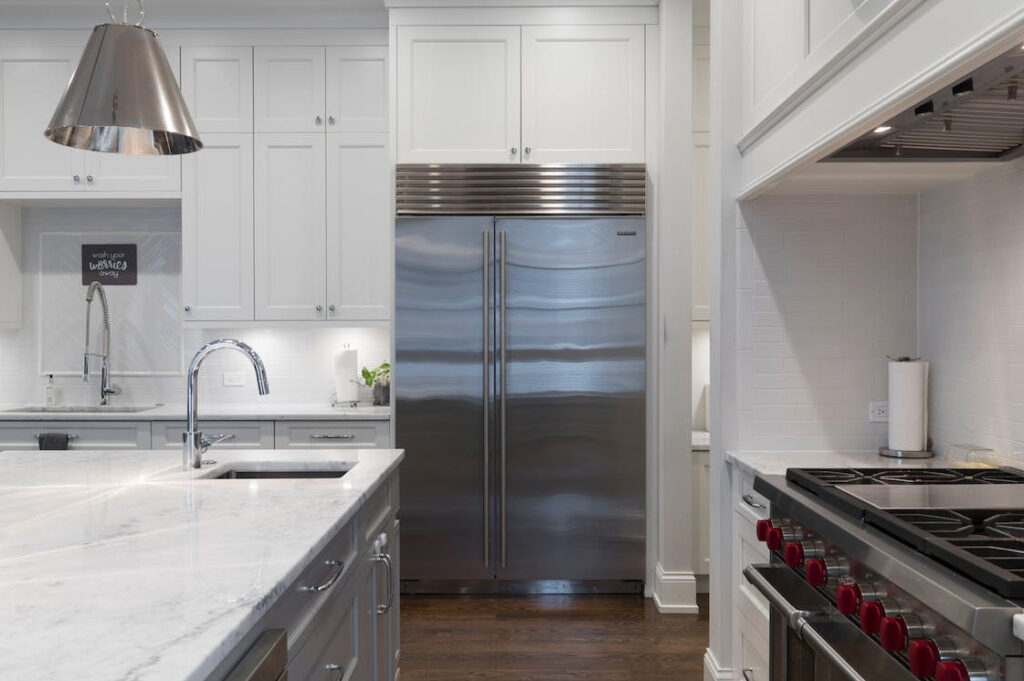
Photo credit: Alex Qian
Explore refrigerator types and their advantages and potential drawbacks, along with essential considerations to help you make an informed decision when selecting the perfect refrigerator for your home.
Two main distinguishing factors are door layouts and sizes. From the convenient side-by-side refrigerator to the more compact and efficient countertop refrigerator, each type offers a unique mix of convenience and organization to fit various preferences. Learn more in our guide and discover the perfect refrigerator type that aligns with your lifestyle and kitchen needs.
Guide to Refrigerator Types
Top-Freezer Refrigerators
One of the most traditional and budget-friendly options, top-freezer refrigerators feature a freezer compartment on the top and the main refrigeration section at the bottom. The primary advantage of this design is its cost-effectiveness and energy efficiency, making it an attractive choice for budget-conscious consumers. Additionally, the top-freezer design allows for easy access to frequently used items in the refrigerator section, reducing the need to bend down frequently. However, the main drawback is that the freezer compartment can be small and less user-friendly, as it requires bending or stooping to access frozen goods. Moreover, top-freezer refrigerators may not offer as many advanced features found in other types.
Bottom-Freezer Refrigerators
Bottom-freezer refrigerators reverse the design of the top-freezer models, placing the freezer compartment at the bottom and the refrigerator section on top. This configuration provides more convenient access to fresh foods at eye level, reducing the strain of bending to reach items. The freezer drawer design allows for better organization and visibility of frozen goods. Some models even offer pull-out or slide-out freezer drawers, enhancing accessibility further. However, bottom-freezer refrigerators may be relatively more expensive than top-freezer models. The larger freezer capacity may tempt users to overstock frozen items, potentially leading to disorganization and wastage.
Side-by-Side Refrigerators
Side-by-side refrigerators split compartments vertically, with the freezer section on one side and the refrigerator on the other side. These models boast a generous amount of storage space and are suitable for kitchens with limited door clearance. The vertical configuration also allows users to see both fresh and frozen items at eye level, making it easier to organize and access contents. Some side-by-side refrigerators come with additional features such as water and ice dispensers, providing convenience. However, the narrow compartments might not accommodate larger or bulkier items, such as pizza boxes or large platters. The freezer and refrigerator compartments may also have limited depth, making it challenging to store oversized items.
French Door Refrigerators
French door refrigerators combine the benefits of side-by-side and bottom-freezer designs, offering a spacious and flexible storage solution. The top section consists of two side-by-side doors that open outward, revealing the refrigerator compartment, while the bottom features a pull-out freezer drawer. This configuration allows for easy access to frequently used fresh items and the ability to store larger items in the refrigerator section. The wide shelves and adjustable dividers in the refrigerator compartment enhance organization. However, French door refrigerators tend to be pricier than other types due to their premium features and design. The two doors can be cumbersome in smaller kitchens with limited space for door swing clearance.
Additional Subtypes of Refrigerators
Counter-Depth Refrigerators
Counter-depth refrigerators are designed to align with standard kitchen countertops, creating a sleek and integrated look. These refrigerators offer a built-in appearance without the need for expensive custom cabinetry. Their shallower depth allows them to blend seamlessly with kitchen cabinets, optimizing space in smaller kitchens. Counter-depth models usually provide ample storage space, with adjustable shelves and spacious bins. However, the reduced depth might sacrifice storage capacity compared to traditional models. Additionally, counter-depth refrigerators can be more expensive than standard models, and their specialized dimensions might limit some design and layout options.
Smart Refrigerators
With the rapid advancements in technology, smart refrigerators have emerged as a cutting-edge appliance category. These refrigerators are equipped with internet connectivity and interactive displays, offering various features that go beyond standard refrigeration. Smart refrigerators can be controlled remotely through smartphone apps, enabling users to monitor and adjust temperature settings, receive alerts about expiring food, and even create shopping lists. Some models also feature built-in cameras that allow you to see the contents of your refrigerator while shopping. While these high-tech features provide convenience and efficiency, smart refrigerators tend to be more expensive than traditional models. Reliance on technology also means that connectivity issues and software updates may occasionally impact their functionality.
Under Counter Refrigerators, aka Mini Fridges
Under-counter refrigerators, also known as compact or mini-fridges, are small and versatile refrigeration units designed for spaces with limited room. They are commonly used in offices, dorm rooms, bars, and as supplemental storage in larger kitchens. Under-counter refrigerators are available in various configurations, such as single-door, drawer, or glass-door options. Their compact size makes them easy to fit under counters or in tight spaces. However, the limited storage capacity might not be sufficient for primary refrigeration needs, and they may lack advanced features found in larger models. Noise levels can also be a concern with certain under-counter refrigerators, especially those in close proximity to living or work areas.
Selecting the right refrigerator for your home involves considering factors like available space, budget, storage needs, and desired features. Each type of refrigerator offers unique benefits and drawbacks, catering to different preferences and kitchen layouts. Whether you choose a top-freezer refrigerator for its affordability or a French door model for its convenient design, understanding each type will help you choose the ideal refrigerator for your home.
See other guides from Dwell Adore, including our laundry washing machine guide and dishwasher guide.