
Best Trees for Landscaping in the Southwest

Landscaping in the arid and sun-drenched landscapes of the American Southwest presents a unique set of challenges and opportunities. Selecting the right trees for your outdoor space can transform it into an oasis of beauty, shade, and tranquility. From providing shelter from the scorching sun to creating a sense of serenity, here’s a comprehensive guide to the top trees that flourish in the distinctive environment of the Southwest.
1. Palo Verde (Parkinsonia spp.): With its vibrant green bark and delicate leaves, the Palo Verde is well-adapted to the desert climate. Its wispy foliage and stunning yellow blooms in spring make it a symbol of the Southwest.
2. Joshua Tree (Yucca brevifolia): Iconic and instantly recognizable, the Joshua Tree is a signature tree of the Mojave Desert. Its unique form and hearty nature make it an excellent choice for arid landscapes.
3. Mesquite (Prosopis spp.): Both a shade provider and a valuable source of food, the mesquite tree is a staple of Southwestern landscapes. Its airy canopy and distinctive pods add a touch of authenticity to the scenery.
4. Ironwood (Olneya tesota): Renowned for its dense, iron-like wood and delicate lavender blooms, the ironwood tree thrives in the harsh conditions of the Southwest. Its beauty and resilience make it a sought-after choice.
5. Desert Willow (Chilopsis linearis): Graceful and ethereal, the desert willow boasts trumpet-shaped flowers that attract pollinators. Its narrow leaves and pendulous branches create an elegant silhouette.
6. Mexican Fan Palm (Washingtonia robusta): A quintessential palm of the Southwest, the Mexican fan palm adds vertical drama to landscapes. Its iconic silhouette against the desert sky is a hallmark of the region, and it’s also known as a skyduster.
7. Arizona Cypress (Cupressus arizonica): With its striking blue-green foliage and conical shape, the Arizona cypress is a versatile tree that thrives in various soil types. It’s often used as a windbreak and adds visual interest to landscapes.
8. Desert Hackberry (Celtis pallida): Resilient and drought-tolerant, the desert hackberry features small, round fruit that attract birds. Its textured bark and vibrant fall foliage contribute to its appeal.
9. Chitalpa (Chitalpa tashkentensis): A hybrid of the desert willow and catalpa, the chitalpa boasts delicate, trumpet-like flowers and an upright form. Its ability to withstand heat and thrive in poor soil makes it a favored choice.
10. Texas Ebony (Ebenopsis ebano): Known for its glossy, dark foliage and attractive white flowers, the Texas ebony offers both shade and beauty. Its tolerance for drought and heat makes it a suitable tree for the Southwest.
11. Blue Palo Verde (Parkinsonia florida): A cousin of the Palo Verde, the blue Palo Verde features blue-green bark and stunning yellow flowers. Its drought tolerance and unique appearance make it a beloved choice.
12. Pinyon Pine (Pinus edulis): A hardy evergreen, the pinyon pine produces edible pine nuts and adds a touch of rustic charm to landscapes. Its short stature and rugged beauty are well-suited for the Southwest.
13. Velvet Mesquite (Prosopis velutina): Resilient and attractive, the velvet mesquite features silvery-gray foliage and fragrant cream-colored flowers. Its spreading canopy provides ample shade.
14. Acacia (Acacia spp.): With its feathery foliage and vibrant yellow flowers, various species of acacia thrive in the Southwest. They add a touch of elegance and drama to landscapes.
15. Sweet Acacia (Vachellia farnesiana): Emitting a delightful fragrance, the sweet acacia produces clusters of fluffy, yellow blooms. Its fine-textured foliage and adaptability make it a versatile choice.
16. Foothills Palo Verde (Parkinsonia microphylla): This compact Palo Verde features tiny leaves and stunning yellow flowers. Its smaller size makes it suitable for urban and residential landscapes.
17. Desert Pine (Pinus deserti): Resilient and well-suited for desert environments, the desert pine adds a touch of evergreen charm to Southwestern landscapes. Its twisted branches and compact form are striking.
18. Mexican Blue Fan Palm (Brahea armata): Characterized by its silvery-blue fronds, the Mexican blue fan palm adds a touch of elegance to arid landscapes. Its slow growth rate and unique appearance make it a valuable choice.
19. Catclaw Acacia (Acacia greggii): Named for its hooked thorns resembling a cat’s claw, this acacia boasts feathery leaves and fragrant yellow flowers. It’s a hardy tree that adds a touch of Southwest flair.
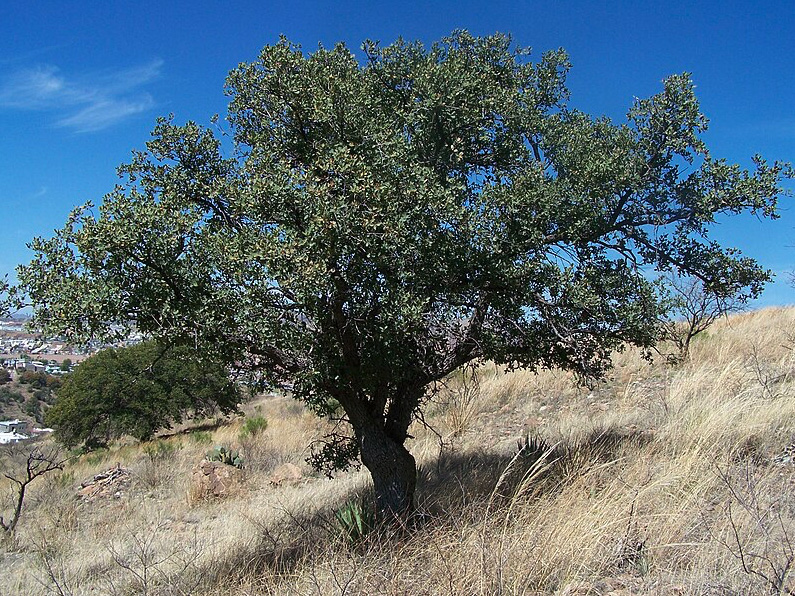
20. Emory Oak (Quercus emoryi): A native oak of the Southwest, the Emory oak features glossy, evergreen leaves and produces acorns that provide sustenance for wildlife. Its adaptability and beauty make it a versatile choice.
21. Mulga Acacia (Acacia aneura): Hailing from Australia but well-suited for the Southwest, the mulga acacia features blue-green foliage and fragrant yellow flowers. Its unique appearance adds intrigue to landscapes.
22. Blue Palo Verde (Parkinsonia florida): The blue Palo Verde’s stunning yellow flowers and blue-green bark are a testament to its adaptability and resilience in Southwestern landscapes.
23. Texas Mountain Laurel (Sophora secundiflora): With its clusters of fragrant purple blooms, the Texas mountain laurel adds a touch of elegance and fragrance to Southwest gardens.
24. Greythorn (Ziziphus obtusifolia): Known for its twisted branches and small yellow flowers, the greythorn is a hardy tree that thrives in the arid conditions of the Southwest.
25. Screwbean Mesquite (Prosopis pubescens): Named for its twisted seed pods, the screwbean mesquite is a distinctive choice with feathery foliage and fragrant yellow flowers.
Selecting the right trees for your Southwestern landscape requires careful consideration of the region’s unique climate and conditions. Whether you’re looking for shade, visual interest, or a touch of desert elegance, these tree choices can enhance the beauty and functionality of your outdoor space, bringing the spirit of the Southwest to life in your very own garden.
View other landscaping guides from Dwell Adore, including our hardscaping guide.
Home Gadgets & Appliances
- Choosing a Refrigerator: Door Layouts & Sizes

- Dishwasher Types: Benefits, Drawbacks & Considerations

- Washing Machine Guide: Which Is Best for You?

- Ultimate Guide to Blenders

Health & Wellness
- Resistant Starch Benefits, Foods & Types

- Types of Meditation: Finding Inner Peace & Clarity

- Quotes About Change & Life Transitions

- How to Stop Drinking Soda When You’re Addicted