How to Stop Drinking Soda When You’re Addicted
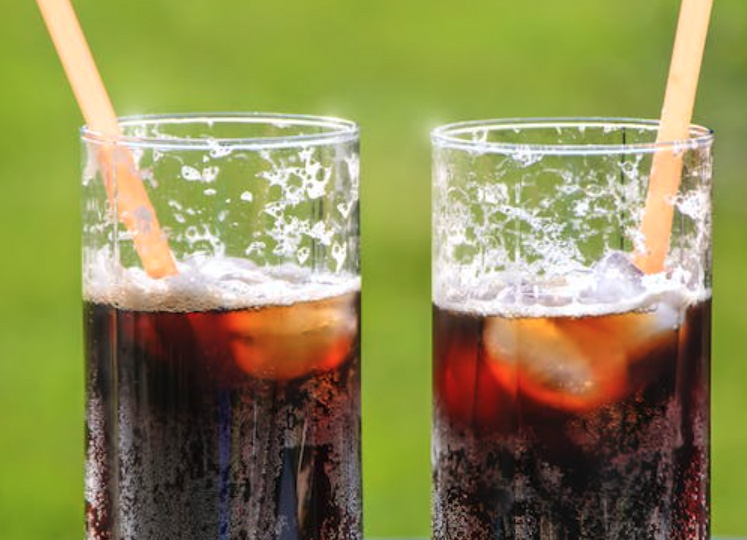
Photo credit: PhotoMIX Company
So you’ve finally acknowledged that you’re addicted to the hard stuff. You’ve enjoyed its bubbly effervescence for years, but have come to terms with the fact that it’s negatively impacting your health.
You’re not alone. For many, there’s no such thing as moderation when it comes to soft drinks. With around 10 teaspoons of sugar per one 12-ounce serving, the high sugar content of soda makes it incredibly addictive. In fact, it’s one of the most commonly overconsumed beverages.
Give yourself a pat on the back for getting here and deciding to do something about your soda dependence. Below are some of the best known ways to either cut back or stop drinking soda altogether, along with some commonly asked questions related to cutting back.
How to Stop Drinking Soda
- Start slow. If you drink multiple cans of sodas a day, don’t cut yourself off cold turkey. This increases the chance of relapse and may cause you to experience withdrawal symptoms. Begin by limiting yourself to one soda a day. After a couple of weeks, or sooner if you’re feeling confident, limit yourself to having one soda every other day.
- Water down your soda. Do this in conjunction with the step above to further minimize the amount of sugar you consume and promote better hydration.
- Fancify your water. In addition to drinking less soda, make sure you incorporate other beverages into your diet more often. Water is the most important. If you hate drinking plain water there are lots of ways to spruce it up. Add lemon wedges and cucumber slices, throw in some fresh fruit or use water flavorings like MiO Liquid Water Enhancer.
- Investing in a SodaStream is another great way to fancify your water. You can make delicious flavored beverages with the bubbliness you love and there are lots of SodaStream recipes online. Not ready to invest? Try options like La Croix, a popular sparkling water available at most grocery stores.
- Get some natural caffeine. If you’re sorely missing the caffeine kick you got from soda, try adding green or black tea to your diet. These healthy alternatives are great with or without added sweeteners. If you do decide that you need a touch of sweetness, try all-natural honey or Stevia.
- Calculate how many minutes of exercise it takes to burn off a can of soda. Just knowing the amount of physical activity it takes to burn off those calories may give you the motivation you need to cut back.
- Try to avoid places and situations that trigger your cravings for soda. Do you only drink soda when you order fast food? Instead of going to the drive-thru, spend more time cooking at home or choose restaurants where you go in with the intention to sit down for a nice meal, perhaps accompanied by a glass of wine.
Don’t stop trying because of one bad day. When you fall off the wagon, remember that you can always try again tomorrow. Don’t give up on your health. Sugar addiction isn’t easy to overcome, so don’t beat yourself up over one (or more) bad days. Dust yourself off and try again.
Is It Worth It to Switch to Diet or Caffeine-Free Soda?
If you are seriously struggling to reduce your soda intake, temporarily switching to diet or caffeine-free soda is a good short-term solution. However, keep in mind that many studies still link artificial sweeteners with weight gain. A study from the Yale Journal of Biology and Medicine states that since artificial sweeteners are still highly sweet to the taste, they continue to encourage dependence on sugar and may cause sugar cravings.
Another consideration is to switch to an all-natural soda during this time, many of which tend to have less sugar content along with no artificial ingredients. But the goal is still to taper off consumption of sugary drinks, so you should continue to work toward reducing how much soda you drink on an average day.
Can You Have Withdrawals From Soda?
Yes. You may experience withdrawal symptoms when cutting back or eliminating soda from your diet, especially if your daily soda consumption is high. What you’re experiencing is a physiological reaction from reducing your sugar and caffeine intake. Withdrawals from soda may include symptoms such as strong cravings, irritability, anxiety, lack of energy, nausea, bloating, headaches and muscle aches. These symptoms should subside within a few days or weeks.
How Much Weight Can You Lose by Not Drinking Soda?
You won’t necessarily lose weight from cutting soda alone, but you may find it much easier to shed pounds if you do. When consuming a substantial amount of soda, you’re “drinking your calories” and they’re all coming from sugar rather than nutritional sources. To lose weight, you must create a calorie deficit, and cutting soda from your diet makes this a lot easier.
The amount of weight you lose will vary based on your calorie intake and physical activity level. There is no set number, but often, creating a 500 calorie per day deficit can result in a 1 pound per week weight loss.
Negative Effects of Drinking Soda Pop
- Weight Gain: Soda is high in added sugars and calories, leading to weight gain and an increased risk of obesity. Regular consumption of sugary beverages can contribute to an imbalance in caloric intake and energy expenditure.
- Tooth Decay: Soda contains high levels of sugar and acids, which can erode tooth enamel and lead to cavities and dental decay. The acidic nature of soda can also weaken the teeth over time.
- Increased Risk of Type 2 Diabetes: Regular consumption of sugary drinks like soda is associated with a higher risk of developing type 2 diabetes. The excessive sugar intake can lead to insulin resistance and impaired glucose tolerance.
- Bone Health Concerns: The phosphoric acid found in soda can interfere with calcium absorption, potentially leading to decreased bone density and an increased risk of osteoporosis.
- Digestive Issues: Carbonated sodas can cause gas and bloating, leading to discomfort in the digestive system, especially for individuals who are sensitive to carbonation.
- Dehydration: Soda contains caffeine, which is a diuretic and can contribute to increased urination, potentially leading to dehydration if not balanced with enough water intake.
- Increased Risk of Heart Disease: Regular consumption of sugary beverages, including soda, has been linked to an increased risk of heart disease and cardiovascular issues.
- Negative Impact on Liver: The high fructose content in soda can be metabolized by the liver, leading to the accumulation of fat and contributing to non-alcoholic fatty liver disease (NAFLD).
- Disruption of Sleep Patterns: Soda’s caffeine content can interfere with sleep patterns, leading to difficulty falling asleep or staying asleep.
- Increased Cravings for Sweet Foods: Consuming soda regularly can lead to increased cravings for sweet and unhealthy foods, which can further contribute to an unhealthy diet.